In the latest in an occasional series of TTRPG tips from films, TV, and books, I’m looking at PG Wodehouse’s humorous novels charting the misadventures of Bertie Wooster and his unflappable valet, Jeeves. This was inspired by a trip to a second hand bookshop and a purchase of Aunts Aren’t Gentlemen, the last book Wodehouse completed, and barely a novel, really – 45,000 words that you can polish off in an afternoon. It’s light prose, tripping wordplay, and has some TTRPG advice hidden within – whether we’re playing something lighthearted, or not.
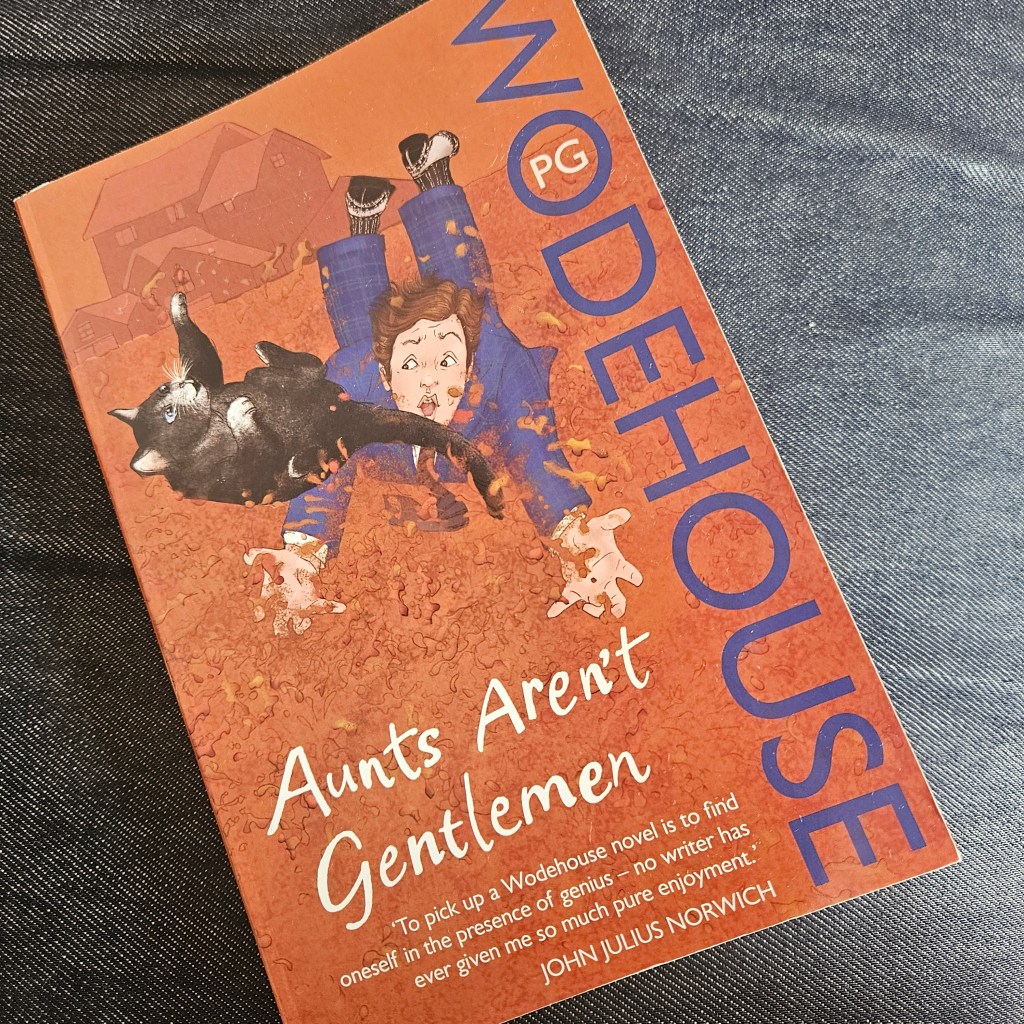
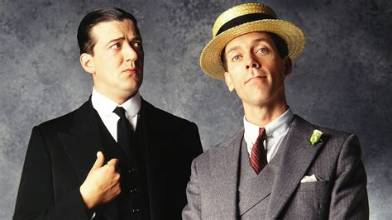
If you’re unfamiliar, PG Wodehouse’s series, written throughout the 20th century and set in sort of the same era, follow the misadventures of Bertie Wooster, a happy-go-lucky aristocrat, and his unflappable valet Jeeves. Their adventures often involve becoming engaged to marry by accident, stealing cats by accident, getting involved in hair-brained schemes, and wriggling out of said schemes. Through it all Wooster, the narrator, is hapless but lovable. Jeeves is inscrutable but brilliant, and often effects a solution to the problems faced. I’m not sure if it ever went outside of the UK, but if you’d rather watch it than read it, there’s an excellent TV adaptation with Hugh Laurie and Stephen Fry that you can no doubt find loads of clips of on TikTok and while away an afternoon getting the gist.
While you’re reading this, I should tell you about my Patreon. Patrons get access to content 7 days before they hit this site, and the chance to request articles or content, for a very reasonable backer level of £2 per month. If you like what you read, want to support the blog, and have the funds for it, please consider supporting here. Telling people about the blog, and sharing links/retweeting is much appreciated also – thanks!
The books, though, mainly succeed through clever wordplay and wit – and its those that’ll supply us with our things.
Names Matter
By the end of the first chapter of Aunts Aren’t Gentlemen, you’ve met the following characters, alongside Bertie and Jeeves: Tipton Plimsoll, an American friend. Dr. E. Jimpson Murgatroyd, a recommended doctor. Orlo Porter, a Communist insurance salesman. Major Plank, an explorer. Jimmy Briscoe, a well-do-to landowner. These are all excellent names – and really help to convey the sense and tone of the whole story.
So what can we do? Well, pay a bit more attention to names. Names are hard, especially when during prep we have to come up with six or seven of them – or improvise them for the shopkeeper that the players have decided is suddenly relevant.
But there are things that can help us – I’d recommend The Story Games Names Project (there’s multiple links for a .pdf download as well, which I’m sure you can find yourselves.) And recently the people behind the Tome of Adventure Design put out The Nomicon, which is a huge selection of themed random tables for names of people and places. These are a great starting point – and it’s well worth having a few names ready to use in your session.
Throw Multiple Problems At The PCs and See What Sticks
One thing that’s always happening to our narrator in the books is, as he attempts to rest or read or eat, another character bursts through the door. This is because there’s multiple factions, multiple unevenly-motivated characters, and multiple plots at once. This gives a great illusion of complexity to what are often fairly simple stories at heart – because just as one thread appears to be resolved (sometimes by accident), another one comes to a head.
In games, this can work just as well. Three factions with multiple goals all wanting things out the PCs, all openly and actively pursuing it, getting in one another’s way, makes your game seem deep and complex, when all you’re really doing is throwing NPCs at them.
Consider a Jeeves
Now, Jeeves is an unflappable source of solutions in the stories – which isn’t something we want our NPCs to be doing. But as a foil for the players, it’s worth considering if having a confidante might help to encourage some in-character interaction and roleplay.
They probably need some limitations attached – some things they can’t, or won’t, do – and have an excuse to drop out at a minutes notice – but as someone (or something) the PCs can talk to, interact with, and share thinking with, they can work really well. Try making them a cantankerous ship’s AI in a sci-fi game, or a talking squirrel in a high fantasy game, and give them a bit of personality that makes them slightly unreliable. In a low fantasy game, consider an experience hireling who’s seen it all – and somehow survived all those adventures with their 2 hp intact.
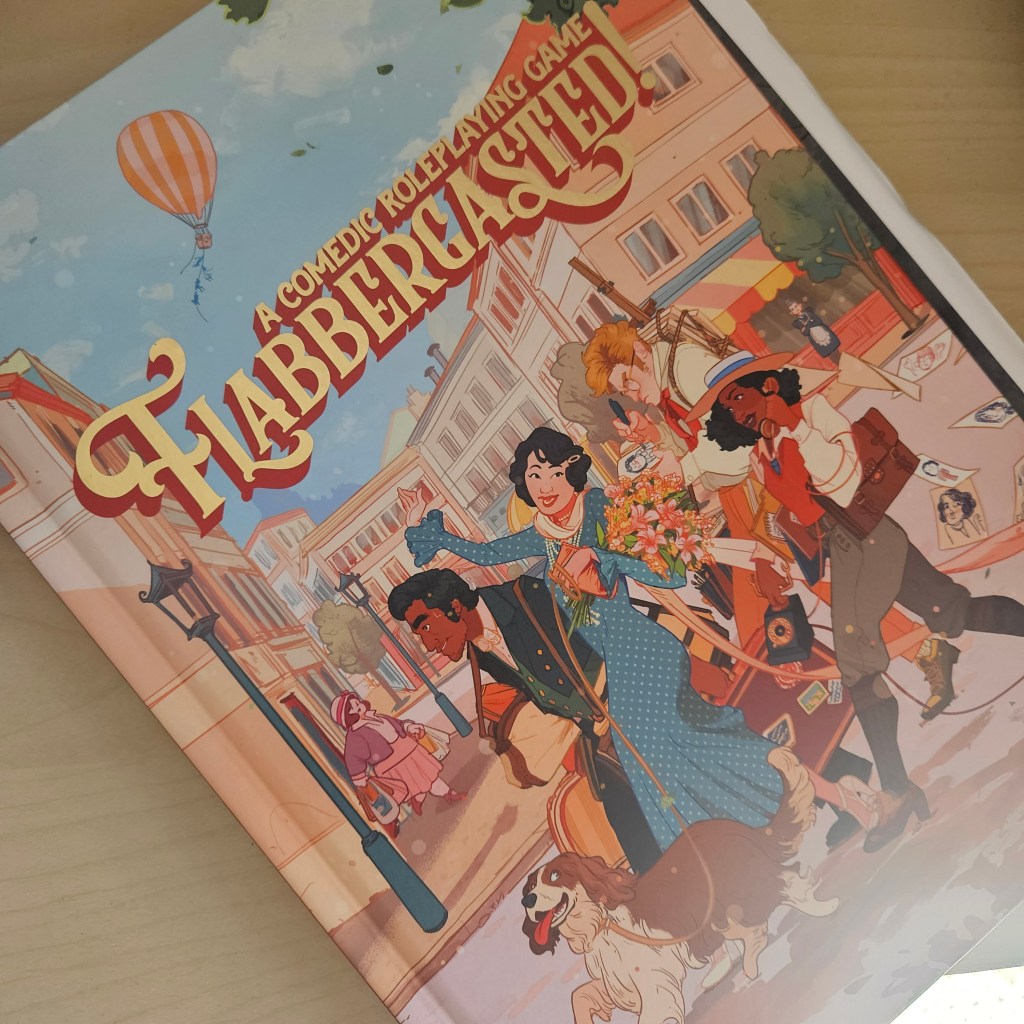
Of course, if you are playing something similar, there are a few options – I’m yet to get Flabbergasted to the table, to my shame, and there’s always Good Society for a slightly different period but similar shenanigans. I think playing the one-shot hack You Must Leave This Party Alone is the closest I’ve come to playing Bertie Wooster – and was excellent fun. You can certainly play that kind of character (and an unflappable manservant) in Regency Cthulhu, too – check out this excellent scenario from friend of the blog (and Unconventional GM co-host) Gaz Bowerbank.


Comedy is definitely and underserved niche in roleplaying. Let’s face it, most roleplaying sessions descend into farce anyway – more games should try leaning into it. 😉
And thank you for the tip of Flabbergasted!. That looks like something I’m going to have to check out…
LikeLiked by 1 person
I think comedy is underrated, but it does make it a lot more difficult on the DM. But when it works, it really works.
LikeLike