Unconventional Mysteries – One-Shot Carved From Brindlewood Games

I hope you’re all familiar with a new subset of PBTA games, the Carved From Brindlewood (CfB) stable. These, all from the Gauntlet, involve player-created clue interpretation and offer something genuinely different to investigative games. Through the game, you collect Clues (often open-ended and with multiple interpretations, like “a diary mentioning forbidden love,” or “a sequence of numbers in an unusual place.”) The players then try to interpret these to provide a previously-unknown solution to the Mystery. They’re fantastic games, if you enjoy that sort of premise, and offer a new perspective on the investigative genre. 

While you’re reading this, I should tell you about my Patreon. Patrons get access to content 7 days before they hit this site, the chance to request articles or content, and the chance to play in one-shot games, for a very reasonable backer level of £2 per month. If you like what you read, want to support the blog, and have the funds for it, please consider supporting here. Telling people about the blog, and sharing links/retweeting is much appreciated also – thanks!
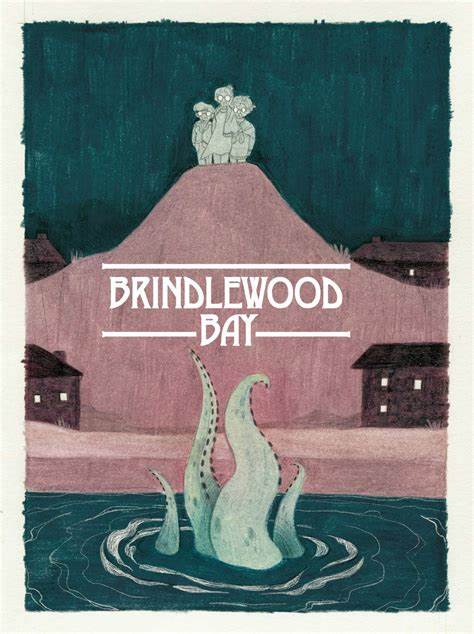
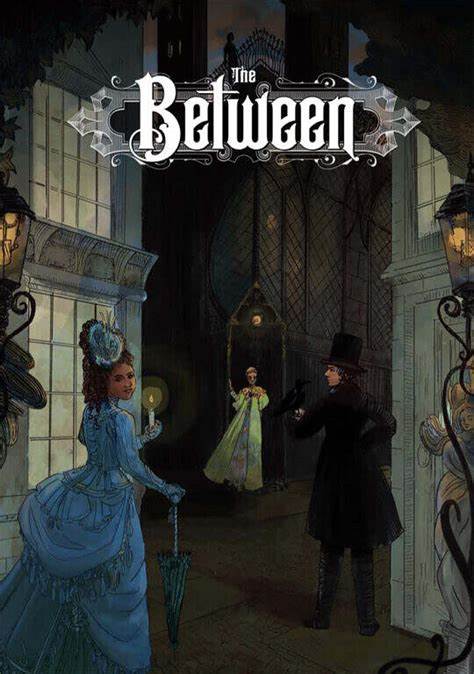
There’s Brindlewood Bay, where you play elderly mavens in the titular town, investigating murders and gradually revealing a sinister cult. I reviewed Brindlewood Bay here, if you want to hear what I thought of it when I player the pre-kickstarter version. Following that The Between is a bit more baroque – you’re monster hunters in Victorian London solving cases and pursuing a mastermind. And most recently, Public Access, where your young investigators explore creepypasta urban legends on the trail of a vanished cable TV station. All of them are excellent, and all are hard-wired for campaign play of 4-8 sessions. 

But, as regular readers will know, I’m firmly of the opinion that you can run anything as a one-shot – and I’ve brought these to several conventions and run in single-sessions slots. They do take a bit of tweaking to get right – so here are my thoughts on running these as one-shots.

Be Up-Front About The Game

Firstly, you need to advertise carefully. In these games the mystery solution comes from the players, so you need to advertise that so that there are no surprised players who are expecting a more traditional experience. Some players butt up hard against creating their own solution to the mystery, and you need to make sure in the con pitch you’ve been explicit.

I’d also share that it’s a specifically one-shot experience, and it’ll likely feel like the pilot episode of a show – they shouldn’t expect everything to be resolved necessarily. Manage expectations and be clear that as much narration is in the hands of the players as you – and you should be fine.
Do the Regular Chargen and Prep

Even in a 3-hour slot, I’d advise going through the inter-player bits of character generation at the table. I get players to pick Playbooks (The Between) or Special Moves (Public Access or Brindlewood Bay) ahead of time if I can, but do the bits where they describe one another’s cosy place / corner of the house at the table. It can feel like this is eating into playing time, but it’ll mean you can hit the ground running well when you start. Think of it as time invested, and it’ll give your players lots to do with each other once you begin play.

Adjust Complexity

A mystery or question with Complexity 4 or 5, with one clear question to answer,  is about right for a one-shot session. It gives them a good shot at resolution and means they can gather enough clues quickly. If the mystery you’re running has a higher Complexity, just change it – you’ll alter the focus of it a little, but nothing will break. 

Think About Structure

In Brindlewood Bay, you can just play through a mystery as normal. For Public Access / The Between, I’d suggest the following:

short Day phase / Night phase / Day Phase (start by answering the question)

Start the first Day Phase in late afternoon and give the players just enough time to pursue a few leads before it’s dusk and they have to plan their Night phase. Assuming they aren’t watching an Odyssey tape (in Public Access), the Night phase can be primarily investigative, and should give them enough clues to try and answer the question the following Day – they might or might not be able to resolve it – if needed just montage them taking the action needed. If you have time for another Night Phase, by all means do it – but don’t try and squeeze it into ten minutes if that’s all the time you have.

As an aside, and even when you’re not running these as one-shots, I still like to pace the Day Phase pretty tightly. It’s up to the players to pursue leads and choose where they go, but that doesn’t mean they have unlimited time. About one short investigation / move for the morning and afternoon is about right, and as GM you can certainly cut to other scenes once a Clue is discovered. 
Use the Starter Mysteries – or Don’t

All the games come with a mystery that it’s recommended you start with. These provide a great intro into a short campaign and are nice and straightforward to run, but for a one-shot feel free to run different ones. You might need to think about how the players might split up or what approaches they might take to make it work, and some Mysteries have gated strings of Questions that won’t fit into a one-shot in a satisfactory way, but I’d be flexible with this after you’ve first run Dad Overboard / The House on Escondido Street / The St James’s Street Ghost. They’re all great ways to teach the game (and it’s very appreciated that the games offer these) but after you’ve tried them once you can always try something else.

Show Them All The Stuff – But Don’t Use All The Stuff

Mysteries have been designed to have plenty of NPCs to interact with. Try to bring these onto the stage fairly early on, but don’t worry if your players don’t end up interacting with them. The way the game works, they don’t need to talk to the nosy neighbour, or the families relative – all of them are just floating clue dispensers for the long list of options that you can dole out to solve the mystery. Aim instead to give a few exciting / obvious options for investigation, and make the players feel like whatever they pick they’ll find stuff out – which is, in fairness, exactly how the game works.

So, I’m still planning on bringing some more of these to conventions in the future – and there are more Carved From Brindlewood games in the works that look exciting. Have you tried running these games in a one-shot setting? What worked or didn’t work?
Bad Player Habits – And How To Avoid Them (Part 1)

Recently on twitter I posted about one of my gaming bugbears (not the furry kind) – players avoiding risk when the rest of the group is embracing it. This generated a lot of responses about similar play that can come up in one-shots, and make it harder as a GM to produce an enjoyable session for everyone. So, looking at some of these behaviours, I decided to think about what we, as GMs and fellow players, can do to discourage – or avoid – them. I’m going to look at my top three Bad Player Habits (BPH) – Risk Avoidance, Revisiting, and Un-Roleplaying. In this post, we’ll look at Risk Avoidance – one of the most common, and most problematic – particularly in one-shots.

While you’re reading this, I should tell you about my Patreon. Patrons get access to content 7 days before they hit this site, the chance to request articles or content, and the chance to play in one-shot games, for a very reasonable backer level of £2 per month. If you like what you read, want to support the blog, and have the funds for it, please consider supporting here. Telling people about the blog, and sharing links/retweeting is much appreciated also – thanks!

First, though, so you know I’m not a monster:

But maybe the players don’t know any better!

This was a response I got from several commenters – that I was unfairly victimising poor players who just preferred to play in a different way to me. To this, I say two things – firstly, in one-shots you really need to be explicit about expectations, and in almost all of the games I play at conventions, people are. And in any case, “This game is deadly and survival is more important than pace. So play carefully and check every room for traps,” is weak-sauce GMing – don’t do that.. 

Every time I’ve played and these have come up, of the n players at the table, n – 1 of them have had a very clear understanding of the game premise and the kinds of behaviours encouraged – it’s been clearly explained and understood by everyone except the player performing these things.

But what about new players? – I can categorically say that these are not behaviours that I see in gamers who are new to the hobby, but exclusively by old hands who really should know better. In all cases they’ve been oblivious to the annoyance that this has caused to the rest of the table, even when other players have directly challenged them about it.

Risk Avoidance

This is my top BPH. To be fair, I can see how it develops, sort of, if you’re used to an adversarial GM style where you need to check every door for traps and search every room in case you miss something. Careful play is fine – in some one-shot games that I run, it’s encouraged to an extent – in Warhammer Fantasy Roleplay, you want the players to see combat as dangerous and to avoid, say, fights with the city watch. But it’s when one player is doing this and the rest of the group are playing normally that it’s irritating.

“I’ll stay in the van while you explore the warehouse”

“I’ll stay in the control room and monitor the cameras”

“I’m not very good at combat, so I run away when the monsters attack”

All of this is poor because you’re caught as a GM between including them in the game – when they’ve opted out of the action – and letting them have the satisfaction of avoiding the danger that they clearly crave. They’re also leaving the rest of the group at higher risk from any danger that emerges – which is the real problem with this. When that player runs away, they make it harder for the other players who now have to fight with one fewer combatant. Add to this that very often these same players will back-seat drive the play from their position of safety, despite very clearly not being there.

So how to avoid this?

Well, first of all – and this goes for all of these – be explicit. Both at the start of the game, and during, make the level of risk-taking clear. If you’re running Mork Borg, it might just be to say:

“Look, this is a deadly game and the dice are going to fall where they may – some PCs might die, and that’s just fine – I’ve got a bunch of extra pregens and we’ll bring them in immediately. It’ll be more fun if we all just embrace this, rather than avoiding doing anything.”

Sometimes, you’ll find the whole group gets distracted by a perceived danger – sometimes what they perceive is even actually dangerous, but they can’t get past it and wind up in circular discussions about it. Here, it helps to have a friendly NPC who can drop in some clues as to the most fruitful route – having a local guide to point out that, while the deserts of Ja’darr are very dangerous, he’s pretty sure that heroes of the PC’s stature will be able to cope with them.

The other way is to demonstrate competence early. Begin with an action scene (often, although not always, a fight) where the PCs can win. An easy early scene lets the players learn the rules if they need to without too much peril, and also demonstrates that they can triumph in similar scenes.

Another prep technique is to have multiple options at each stage – if they are really hung up over the Deserts of Ja’darr, maybe there’s another way to cross them to the temple – they could try and hitch a ride on a passing roc to get them there. These alternative options are still dangerous, of course, but letting the players choose the one with less perceived risk satisfies some of the careful players’ needs.

So, there’s some techniques to counter risk avoidance and encourage all players to be on the same page about their approach to play – next time we’ll look at the other two.

Table Techniques – Spotlighting

Earlier, along with prep techniques, I’ve talked about “table techniques” like reincorporation and sharing narration that you can do during your #TTRPG sessions to make them pop. This one is a bit different to those, in that it’s pretty fundamental. That is, do it well and it’ll have a big positive effect – but doing it competently is essential for an enjoyable session, especially in a one-shot.

Why? Well, the inspiration for this comes from a session I played at a convention recently. It was a fairly trad game, dice driven, and some time was spent explaining and teaching the system. I’m sure many of the other players had a reasonably enjoyable time – but me and another player didn’t roll dice a single time during the session. Did we get memorable roleplaying opportunities? Well, no, not really – we didn’t get to do much at all, and it was ultimately a quite frustrating experience. So, spotlight well – good. Spotlight badly – you’ll have players like me grinding my teeth all game.

What is it?

Simply put, spotlighting just means sharing the screen time that your players get around so everyone has a fair crack of the spotlight. Some players will demand more spotlight, and some will be happy to shrink and spectate – but this is one thing where the vast majority of responsibility falls on the GM – players won’t track their own spotlight. 

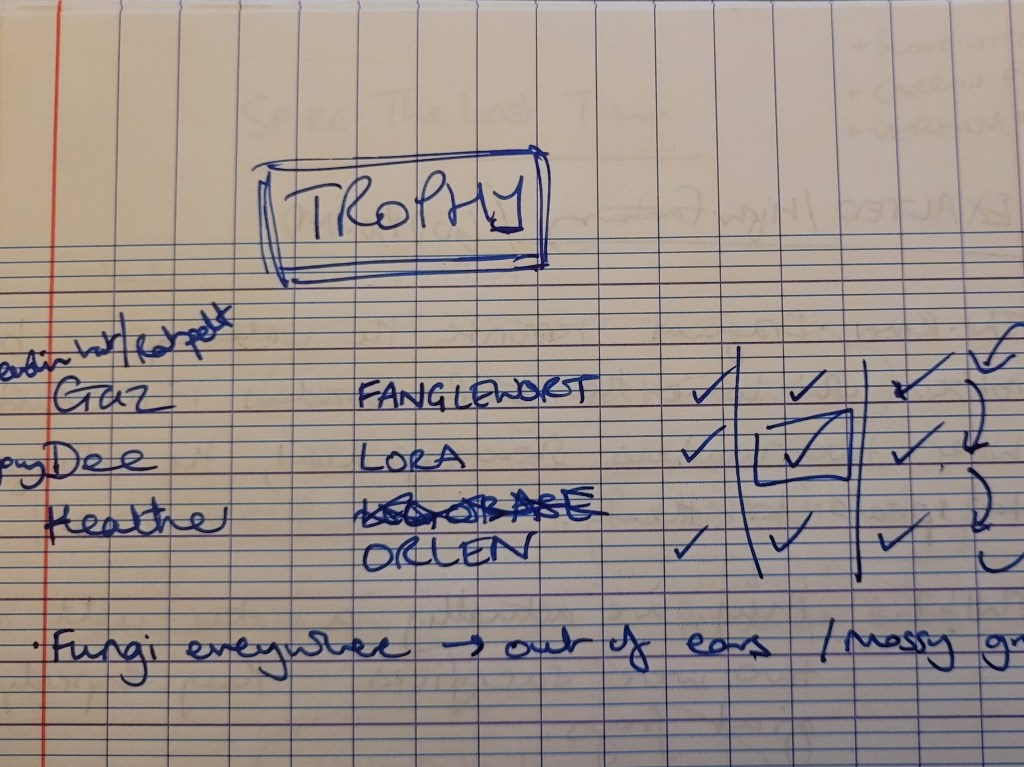
Actual tick list for spotlight from a Trophy Dark one-shot

So, you need to manage the amount of time players get, and be prepared to track who’s acted. It sounds like a simple thing, but from running PBTA games (and especially online) I often just have a list of the players, their characters, and a tick list, to check they’ve all had a turn at once. If you don’t do this, maybe try it – I think I’m pretty good at spotlighting, but this gives me a good safety net. But how else can we make help make spotlighting easy?

Have A System

Another way is to get into a habit of going around the table. This has the advantage of players knowing what their turn is, so they can prepare for it. If you’ve got multiple options for the next step (because you’ve designed an awesome scene with a target-rich environment), you can go round the table and get players to declare what they’re doing, and then cut to resolve them in a more logical order – you’ll get to manage what their actions are much  better in this quasi-initiative system.

Another good approach to manage spotlight is to use skill challenges liberally – scenes where everybody has to have a go to resolve the issue at hand. You’ll force yourself to give everyone a fair share of the spotlight if you use these routinely, and they’re a really strong one-shot technique anyway.

Make Fights Fighty

If you’re having a combat in your one-shot, even if it’s a ‘training’ combat to get the hang of the system, make sure everyone is going to get a go. For the initial fight, you might want to dial down (either deliberately, or in picking opposition) the damage that the enemies can do, but keep them fairly robust so that everyone will need to help if they are to be defeated – otherwise you risk some players not getting a go due to bad initiative rolls (or whatever system you’re using – I’m pretty keen on ditching initiative and going round the table in one-shots, and there’s a blog post coming around this soon).

Check In

I like to have a break every hour or so in a one-shot, and this allows a pause to check-in with your players and get some feedback – are they happy with the amount of screen time they’re getting, is there anything (in-character or out-of-character) they’d like more or less of, that sort of thing. This is general good practice, but it also helps if you think you might have players that are happier sat on the sidelines – I tend to ask for a minimum level of engagement in my games, but it’s good to know if people are happier being in a support role or letting other players lead in social situations especially. So ask how they’re going, and if you’ve got any doubts, ask again.

I think spotlighting, while fundamental, is sometimes a quite difficult thing to get right – but it’s absolutely essential to good play, and it’s something we can probably all get better at. So stick with it – and share any advice you’ve got in the comments below!

Play is King

I’ve started a new year resolution in 2023 – in 2022 I managed 86 game sessions through the year, and I’m determined to get it back over 100 (2021 was 106, and 2020 was 161 sessions – wonder why that was?) in 2023. So far, so good; I played 12 sessions in January, a month without any big conventions for me, and giving me a projected total of 140 sessions which would be a nice return to form (yes, I do have a spreadsheet).

While you’re reading this, I should tell you about my Patreon. Patrons get access to content 7 days before they hit this site, the chance to request articles or content, and the chance to play in one-shot games, for a very reasonable backer level of £2 per month. If you like what you read, want to support the blog, and have the funds for it, please consider supporting here. Telling people about the blog, and sharing links/retweeting is much appreciated also – thanks!

I’m determined in 2023 to play as much as I can, and while I’ve got a few advantages to doing this (I’m relatively short of family commitments and have both a group of fairly local conventions and one-shot days I’m a regular at, and a group of gaming buddies all in the same time zone) – there’s a few approaches that I think can help everyone get more games in.

Playing Games Is Better Than Reading Games

I guess first we should ask “Why?” There’s a big section of the hobby that consists of collecting and reading games and game paraphernalia, and this isn’t meant to be a slight on that. Well, maybe it is, just a little bit. But games are meant to be played, not read! I’ve lost track of the number of rules that didn’t really shine until the dice hit the table, or plots that were better in the playing than the reading. A few years ago, I decided to make all my reviews on here play-based, and I’ve stuck to that – every review or written piece here is based on a game session, and that’s how it should be.

Make Game Nights Resilient

There’s numerous memes about how hard it is to schedule TTRPG sessions, but there are a few things you can do to help reduce cancellations. Having one more player than you need is an excellent move – our Tuesday night group is 5 of us, which is probably one more than we’d ideally have for online play, but it means we can carry on playing even if one person drops out. This keeps the momentum and makes future cancellations less likely.

We also alternate GMs – if you can find a group to do this with, it really helps. Playing seasons of 4-10 sessions and then swapping over keeps everything fresh and, again, maintains momentum. If I was setting up a new D&D / traditional fantasy groups from scratch now I’d probably go for 5 players, with an explicit expectation we play with 3 or more – unless the canceller is the GM, you’re good to go.

Obviously, sometimes it doesn’t make sense to continue playing without all players – the first session of a new season, for example. When that happens, try to get a one-shot down, so that you’re still meeting up and playing – we did this recently with my “Star Trek” group (which I’m currently running Avatar Legends for – but we started playing Star Trek, hence the name) – a Trophy Dark one-shot which was a complete break from everything we’d been doing.

Go To Conventions / Meet-Ups

It won’t surprise you that I’m a huge fan of one-shot games, and I really believe if you only play in long campaigns you’re missing out. There’s lots of conventions and one-shot meetups advertised all over the place now, and going to a few of these to mix up the people you play with is a great opportunity to get more games in and broaden your experience of the hobby. If you can’t find one convenient for you, you can always post in your local Geek Retreat to see if anyone fancies a one-shot – I did this during the summer holidays a few years ago and ran more 1st level D&D for new players than I’ve ever done since!

Don’t ignore online conventions, too – or online gaming generally. Most of my sessions (about 70% of them, according to the spreadsheet) are online, and it’s a great way to maintain a regular group without having to leave your house.

Do Prep

Having a few ‘back pocket’ games is a great way to keep playing – those one-shots when your group can’t meet up rely on somebody having something ready. Luckily there’s lots of opportunities now to use starter sets and introductory adventures, so it doesn’t even have to be loads of prep – just read them and be ready to run.

If there’s a game you’re keen on getting to the table, ask yourself if a group came round tomorrow could you run it? Get the prep ready and you stand at least some chance of it happening. I’m at that stage now with both Ironclaw and Rhapsody of Blood, both games I’ve wanted to run for ages but never really got to the table – and without anything prepped for them, I’m unlikely to.

Solo Stuff

Don’t ignore some of the solo gaming options out there! I’m very much a newcomer to the solo RPG world, and I confess I still find it a completely different experience to group play, but there are some excellent games that work really well for solo play (Ironsworn and the new Rune are the ones I’m thinking of) and some great tools to play solo (I like DM Yourself for published adventures, and the Mythic GM Emulator is the old hand for it). I’m no expert, as I say, but a quick glance at youtube shows lots of people who are having great times doing this – and it’s a good way to master as system ready to prep a group game, too – so give it a look if you think you might fancy it.

So, can I keep up to my 140 expected games in 2023? I certainly hope so, and I’m trying to broaden out some of what I play too – there’s a few conventions coming up that I’m keen to try new games at, so I’ll keep you posted here with how they go.

You Can Run Anything As A One-Shot

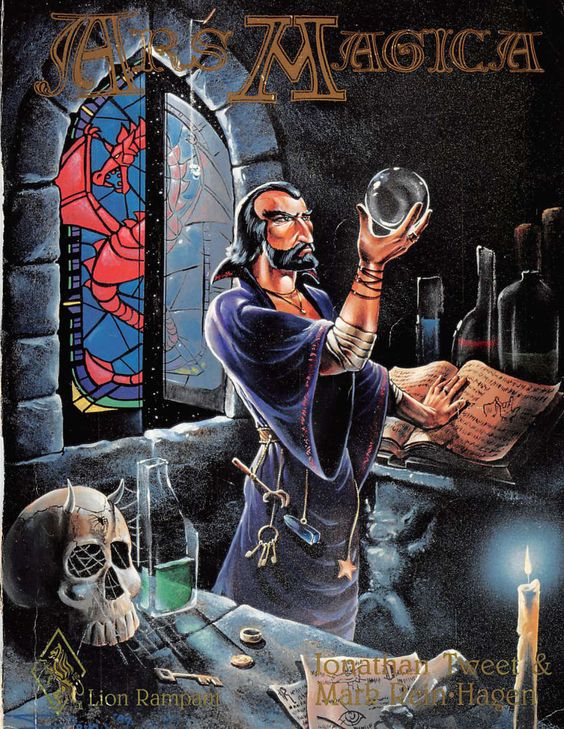
Last year, one of my one-shot highlights was playing in a game of Ars Magica, run by the @Asako_Soh at Grogmeet. Ars Magica, as many of you will know, is the TTRPG game that invented troupe play – you follow a covenant of magi through the seasons in quasi-Medieval Europe, alternating between wizards, companions, and grogs. It’s also famously one of the games that people say you can’t run a one-shot of.

While you’re reading this, I should tell you about my Patreon. Patrons get access to content 7 days before they hit this site, the chance to request articles or content, and the chance to play in one-shot games, for a very reasonable backer level of £2 per month. If you like what you read, want to support the blog, and have the funds for it, please consider supporting here. Telling people about the blog, and sharing links/retweeting is much appreciated also – thanks!

There are lots of games like this. “It runs better it an a campaign, I can’t see how it’d work,” people say. But how often do games like this actually get played? I want to see how a game plays before I invest multiple sessions in it, and I refuse to believe any game can’t be run as a one-shot.

Burning Wheel? Done it. Hillfolk? Done it. Apocalypse World? I’ve played in a few, and there’s a recommended method here by Vincent and Meg Baker for how to do it. You can run anything as a one-shot, and I’d recommend that you do – I’m convinced that no matter what the game is, it can be run as a one-shot at a convention or as a break from regular gaming.

However, there are a few things you can do if you want to run an un-one-shottable game as a one-shot. Here’s my top tips for it: –

Be Prepared to Limit The Scope

You’re likely to get one solid mission/story beat, with a twist, through. So now is not the time for your Pendragon-like exploration of multiple generatioms – just head to the monastery and find out what happened to the monks. Additional complexities can come up from the system anyway, and you don’t need to make it over-complicated – you generally just need three things, whether they are NPCs, monsters, or factions at play – keep it simple.

Do Roleplaying Scenes in Pairs of PCs

This particularly applies if you’re adapting a published adventure to one-shot it. Investigative scenes, as I’ve talked about earlier, are best done with the party split. Cut between the two groups and you’ll get more screen time and more productive investigation from everyone. With that in mind.

Start Late, Get Out Early

If you’re working with a baroque system/setting, you might be tempted to front-load information. Avoid this and instead hard frame scenes to put PCs in the action right away. Your Apocalypse World Hardhold is in danger? Have the gang show up with an NPCs head right at the start, don’t start with the usual “follow everyone around” stuff. You can always flashback if you need to – and keep these flashbacks narration-only to avoid engaging the rules where not needed.

If you’re running an investigative game, you might really want to start at the crime scene – but try to make any initial scene like this hold threat; maybe as you stand over the body you spot somebody watching who runs off, or perhaps there’s another group nearby who want to cause trouble – try to avoid scenes that are entirely stationary.

Use The 1-2-1 Structure for Multiple Passage of Play

If your game has multiple different structures (for instance Mouse Guard alternates between Player’s and GM’s Turns) – try doing GM’s – Player’s – GM’s to showcase both of these. Likewise, if you’re running The Between, start with a shortened Night Phase (maybe the final encounter with a previous enemy), then go through a Day Phase and another Night Phase. By structuring like this you’ll still get a satisfying conclusion and be able to end on an exciting scene, and keep some control over timings.

Take Care With Pregens

Even with PBTA games, I’d want to do some pregen work. Pre-pick playbooks, and you can even partially complete them without compromising player choice too much – you don’t want to have to teach chargen as well as the system.

For a more trad game of course, you’ll be doing full pregens – do yourself a favour and only make one or two of them remotely challenging to play. For our Ars Magica game, there were two Magi available – and players who had some idea of the system already picked them up, leaving the rest of us quite happy with our companions and grogs.

Cut to the Chase

When you’re running an involved game, it can be hard to get to that final scene if the players get bogged down in the middle parts of the game. If they do, though, just cut to the finale – you can remove encounters and obstacles from their way, or just hard frame into a satisfying conclusion. You’ll need to have some idea how long a big climax will take in the game you’re running – but that time before the end of the slot, be prepared to get the players together and cut to the finish. A satisfying ending is more important than finishing your middle scenes – your start and finish should be the best anyway.

And so, I reckon with these in mind, you can run any TTRPG as a one-shot. Should you? Well, yes – I think so – there’s lots of games out there and this is a great way to experience them. I’ll lay down the challenge now – any games you think can’t be run as a one-shot, I’ll run them over the course of 2023, if I haven’t already run or played them – I might even record them as proof it can be done. Who’s in?

Running Feng Shui One-Shots

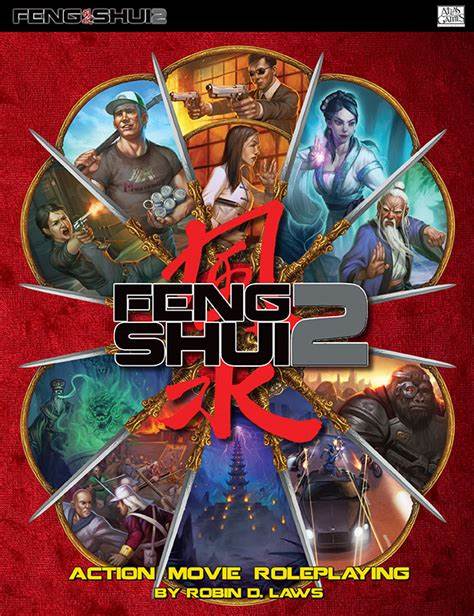
I’ve recently managed to get Feng Shui 2 to the table at a few conventions – Summer Kraken and Grogmeet to name two – and it’s reminded me what an excellent one-shot game it is. It’s a game of high-gonzo Hong Kong action movies, and it leans heavily into the genre allowing players to have a great time pissing about with tropes and scenes.

It’s also a relatively complex beast for what it is, and there’s some nuance to how to approach it – so here are five tips for prepping and running one-shots. If you don’t want to prep it, feel free to snag one of the demo games from Atlas Games website, or Ape Attack! from this blog.

While you’re reading this, I should tell you about my Patreon. Patrons get access to content 7 days before they hit this site, the chance to request articles or content, and the chance to play in one-shot games, for a very reasonable backer level of £2 per month. If you like what you read, want to support the blog, and have the funds for it, please consider supporting here. Telling people about the blog, and sharing links/retweeting is much appreciated also – thanks!

Make Fortune Dice Explode

Rules as written, spending a Fortune point gives you a non-exploding extra dice. I’ve tried it both ways, and for a one-shot it really works better if these explode – the chance of your negative dice exploding and the Fortune being wasted leads to some player disappointment. It does increase player effectiveness a bit, but encouraging Fortune point use is all good, and it leads to some big results.

Pick a Small Selection of Archetypes

There’s no character generation in Feng Shui, which saves the pregen stage of one-shot prep, but it’s worth trimming down the archetypes you offer your players – you don’t need more than a couple more than the players you have, and it’ll help you to be familiar with any of the special rules they have. After the players have picked, make them decide on their names and melodramatic hooks there and then – and then go into a montage opening of a previous film. 

Ones to be careful with are the Big Bruiser (who hits hard and can take a beating, but often acts last in the initiative system) and the Killer (whose mook-killing power means they might be acting frequently as long as the player targets mooks). Also note that the Sorcerer (which is an excellent choice as it has some healing ability) has a default power that lets them use any Sorcery schtick in the book, which you might want to change depending on the player. I’ve always avoided the Driver as I’m not the biggest fan of the Chase rules, but feel free if you want to use them.

Pick a Just One Juncture

There’s 4 main settings in the core rulebook, and a bunch of pop-up junctures… you don’t have to use more than one. Most of my one-shots cover two, and one of them is modern-day – either starting in a normal setting and travelling back in time to a juncture to solve problems, or starting in the past and ending up in the present day. Just one juncture is fine, and getting there via a Netherworld trip is fine if you must, but there’s enough in each of them to make them solid one-shot settings.

In Play, Model Descriptive Action

Feng Shui 2 isn’t a game where “I try to hit him” will work. You need the players to describe awesome hijinx and fight scenes, so you need to lead from the front with this and encourage them to do the same. Feel free to go as big as you can – destroy scenery, break the fourth wall, have your villains monologue.

Another trick that works for me is to describe the action as if it’s a terrible movie – having the mooks in the second fight be played by the same extras as in the first, or the same three extras play all 30 street thugs in the big mook fight. Describe the music starting up, the framing of shots, the shonky camerawork. All this works well in other pulpy high-action games too, of course – it’s just it especially works in Feng Shui.

Do Initiative Verbally

Look, I know that Atlas Games produces a shot counter you can put trackers on to show when people next go – I just find having that in the middle of the table a bit cluttered. At the start of the first fight, briefly cover Feng Shui’s distinctive initiative system, and tell players that their attacks will take 3 shots – and then just count down yourself and have them shout out when it’s their go.

While I wouldn’t use the shot counter, I would recommend using the pre-rolled attack pages for mooks, and also pre-rolling initiatives for each sequence (you can see what I mean by this in Ape Attack). To be honest, I’ve started pre-rolling initiative for all of my one-shots where I can – it’s certainly one thing I can do ahead of time in games.

Make Fights (A Little Bit) Easier

The Feng Shui advice for prepping sessions is golden one-shot plotting advice, but I’d caution that their battle balance is designed for quite meaty fights with players who know what they’re doing. You won’t get through 3 full-strength fights in a one-shot game, particularly as the first one will be slower as the players get used to their abilities. I usually go with fights with just two or three featured foes and a bunch of mooks, or all mooks, until the end boss fight, and even that doesn’t have to have quite as many featured foes as the system suggests. 

If you want a boss or featured foe to be ‘sticky’ and not vulnerable in the first sequence, give them the Ablative Lackey schtick where they can sacrifice a mook to avoid damage (and make sure you’ve got a ready supply of mooks, especially if the Killer is in play).

And, one of the ‘connective tissue’ links between fights can, and should, be a 13th Age style montage – I’m fond of this for trips through the Netherworld, far future desert treks, or sinister caves in Ancient china.

So, I hope this inspires you to run more Feng Shui 2 one-shots, at conventions or just as a break from regular gaming – it’s a great system that deserves to get more play.

APE ATTACK! – a Feng Shui 2 One-Shot

Something I’m determined to do more of is post some ready-to-run one-shots here. So, here’s one that might not be quite ready to run without some system (and setting) mastery, but might give some interesting insight into the creative process. This is at a level slightly above the ‘back of a cigarette packet’ level of prep that I’d do for a convention game – I ran this at Kraken 2022, and I’m sure I’ll get to run it again.

Of note:

  • I don’t list interesting things that can happen in each fight, as recommended in the core rules. I find that if I have a complex, messy enough setting for the fight, and clear permission for the players to make shit up, they fill in the blanks well enough
  • You’ll see that the stats (and pre-rolled initiatives) for the opponents take up quite a bit of space on the page; this is deliberate, as this is what I’ll be looking at in play.
  • If this looks like a series of fight scenes held together by a paper-thin plot and some bad ape puns, you’d be right. There’s a future post coming about running Feng Shui 2 one-shots, and I’d recommend leaning in to both Robin Laws’ excellent prep advice, and the pulpy ridiculousness of the whole setting.
  • If game balance is your jam, this was for 5 players using standard FS2 archetypes. I tend to reduce down the number of opponents for all but the final battle, just because in a con game you want fights to be pretty fast (and the default for FS2 is hard-ish; so you want some easy-ish fights as well)

While you’re reading this, I should tell you about my Patreon. Patrons get access to content 7 days before they hit this site, the chance to request articles or content, and the chance to play in one-shot games, for a very reasonable backer level of £2 per month. If you like what you read, want to support the blog, and have the funds for it, please consider supporting here. Telling people about the blog, and sharing links/retweeting is much appreciated also – thanks!

Enjoy! Kudos to my “playtesters” at Kraken, and let me know if you get any play out of it!

Ape Attack!

There is an ancient battle across the junctures for control of Feng Shui sites, which give unimaginable power. From 1st-century China, to 19th century China, to modern Hong Kong, to a devastated future, time-shifting Chi Warriors fight to keep enough of these under control to keep the Chi War in a delicate balance.

You are such warriors! As the music swells up, describe your character in an action scene from the previous mission.

Scene 1 – PARIS, present day

That mission was a great success, and you’re now taking some well-earned downtime in Paris – city of Love! You’re all sat around the general area of the Eiffel tower – are you sipping coffee, or wine, or maybe visiting the attractions? Where are you in the scene?

As you relax, a loud crack sounds – and you see an eruption from the ground. It’s a portal – and from it, you see a pair of cobbled-together WWII planes, piloted by apes, fly up to the Tower, as a huge beast claws its way out of the ground – a giant ape, with a cybernetic arm! They slowly begin an assault on the Eiffel tower as tourists scream for help. Taking in the situation, you see several of the Parisiens around you remove their faces – to reveal they are actually apes in disguise! Gunfire peels out – what do you do??

Initiative Rolls

FOES1S2S3S4
Messerschmidt9131211
Giant Gorilla1291211
Apes7696
Sorcerers9610

Featured Foe – Gorilla Messerschmidts (there are two, but one is taken out at the end of the first sequence by the sorcerers)

GUNS 14 / DEF 14 / TOU 6 / SPD 8 Machinegun 11

Featured Foe – Giant Gorilla

CREATURE 14 / DEF 11 / TOU 6 / SPD 6 Ape-arms 11

Furious Wrath – if last attack missed, gains +1 Attack and +3 Damage

ATK 8 / DEF 13 / SPD 5

Mooks – At the start of the scenario, 5 Gorillas are engaging the PCs (dam 10)

After Sequence 1, 5 more Gorillas take off their gorilla masks to reveal Ancient sorcerers! (dam 9)

In the aftermath, they can take stock of what has happened – they know the Eiffel tower is a Feng Shui site, and anyone with any magical connection will know that, although that assault was unsuccessful, the Feng Shui site isn’t connected to the Dragons any more – they’ve already got hold of it!

Scene 2  – INVESTIGATION -> FIGHT!

There’s a portal to a pop-up juncture somewhere in Paris that will lead them to the site of the original assault – estimated to be Paris 1889, in the middle of the Belle Epoque, when the Eiffel Tower was being built!

EVENTUALLY, their investigations will throw up two leads – a recent circus has arrived on the outskirts of Paris with many performing chimpanzees, and men in gorilla suits – some of whom have been seen asking questions about the Eiffel tower. At the same time, a group of men in odd robes with high-pitched voices have based themselves in the luxury Art Deco Four Seasons hotel (google it) and have been hanging around the Tower.

Whichever lead they follow, there’s a fight on their hands to discover the portal(s) – there’s one in each location!

This is an all-mook fight. In order for this to work, you will have 25 mooks stationed around and  about the general area – in the circus, one PC can be fighting apes on the Dodgems while another climbs the Ferris wheel to try and catch their leader. In the Hotel, while some PCs might head up to their room there will be disguised sorcerers in the restaurant and kitchen – and even the streets outside – to fight.

FOES1S2S3S4
APEs or SORCERERs91198

APEs or SORCERERs (mooks) –

ATK 8 / DEF 13 / SPD 5 either Blast 9 or Improvised Circus Stuff 9

Scene 3 – Into the Netherworld

MONTAGE through the Netherworld to get to the Belle Epoque

Use the 13th Age Montage method for this, pointing out that multiple junctures can be crossed to get to the Belle Epoque.

Scene 4 – Belle Epoque Paris!

You need to sneak into the opening of the Eiffel Tower, and defeat the apes. As you approach, you see an exhibit from the Paris Zoo has been delivered, full of chimpanzees and monkeys clad in hilarious human clothes, juggling and having hijinx. A bespectacled man, Erik Satie, plays impressionistic music on his piano. 

Satie pauses, and acknowledges you as he continues to play

You’re too late – we have the area surrounded. Literally everyone in this exhibition is ready to seize control of the tower.

The humans dancing and watching pull off their human faces and are revealed to be monkeys. The apes in the exhibition pull off their monkey faces and are human sorcerers!

FOES1S2S3S4
KONG1213119
Furious G1010119
Grenadier1210812
Satie9131112
Gorillas101078
Sorcerers116118

Boss – KING KONG (massive gorilla)

CREATURE 17 / DEF 13 / TOU 8 / SPD 7 Ape-arms 14

Back to the Wall – if attacked by more than 1 character in a sequence, shot cost drops to 2 until the end of the sequence

FF – Furious George

SCROUNGETECH 14 / DEF 12 / TOU 7 / SPD 7 Metal bite 11

Furious Wrath – if last attack missed, gains +1 Attack and +3 Damage

FF – La Grenadier, explosives expert, ape disguised as human

SCROUNGETECH 14 / DEF 12 / TOU 7 / SPD 7 Boom-gun 11

Explosive Vest – all nearby heroes take a smackdown of 12 when the foe goes down

FF – Erik Satie, eunuch sorcerer

SORCERY 13 / DEF 13 / TOU 5 / SPD 7 Blast 10

Anti-Tech – +1 Def vs. Guns, Scroungetech and Mutant powers

Mooks

ATK 8 / DEF 13 / SPD 5

1H = 8 Gorilla flappers (Guns 10)

1H = 8 sorcereous cabals (Blast 9)

Table Techniques: Reincoporation

If you want to make your #TTRPG one-shots memorable and feel personal to your players, this is absolutely the most effective technique you can use, and it also works in ongoing campaigns. One of the challenges of one-shot play is getting the PCs connected to your plot and giving them personality, and there are lots of tricks that GMs use for this – art, standees, bonds or inciting incident questions / love letters – but this is a resource-free one that can have impressive results.

While you’re reading this, I should tell you about my Patreon. Patrons get access to content 7 days before they hit this site, the chance to request articles or content, and the chance to play in one-shot games, for a very reasonable backer level of £2 per month. If you like what you read, want to support the blog, and have the funds for it, please consider supporting here. Telling people about the blog, and sharing links/retweeting is much appreciated also – thanks!

It’s what a lot of players miss from convention games – feeling a genuine connection to their character. Reincorporation really helps to make this happen. It also doesn’t require too much thought at the table, which is another thing in its favour.

What Is It?

This is simple as anything – all you have to do is refer back to cool, incidental details that were established earlier in the game. Ideally, these incidental details are provided by the players – whether they realise this or not. A few pointers

  • These can be as incidental as possible. Background details, seemingly unimportant parts of description
  • Make a note of them when they’re introduced – if, like me, you’re liable to forget
  • Sometimes, you might be able to tweak your planned scene to incorporate these details – if the players described themselves all meeting in a cool coffee shop at the start of the game, have the supervillains threaten that coffee shop in the final battle
  • There’s a few ways to seed them – we’ll cover that soon

So, in the first scene of the game, the ranger describes his wolf animal companion licking hungrily at a ham bone. Later in the game, when the wolf misses, you describe a ham bone poking out of the goblin’ sack nearby which distracted him.

Why Does It Work?

It’s a risk-free way to add the shared storytelling that tabletop RPGs offer because of their collaborative effort. And, because it’s incidental to the plot, it’s a lot safer for players to come up with narrative details – because they don’t know that they’re important. It also doesn’t require too much creation from the players – but it makes them feel like their description and colour mattered.

Player-Created

When you start the game, and ask players to describe their characters – listen out for any details you can use later and reincorporate. Fancy hat? That’ll get stolen by the goblins. Heavy clanking armour? That’s what happens when they fail a stealth check. Series of enemies across the galaxy? One of them turns out to be the main opponents’ lieutenant.

This has the advantage that you’ll get some personal connections to their characters that have come straight from the players, and you should be able to get something from everything. It can sometimes lead to players giving you more, or less, depending on how they describe. To address this, if you’re going round the table doing this at the start of the session, start with a player who you think will model how to do it – if they do it well, the rest will follow that model.

Seeded In-Game


Early in the game, you can create some conditions to get this. Usually this is with an open-ended encounter – and it can be the first big scene. In Beard of Lhankhor Mhy, my 13G scenario, the adventure opens when they rescue a Duck adventurer, Crontas, from a band of Broo. How they perform in that first combat determines how Crontas responds to them – and whether they want him to come along with them to rescue his friends or not. 

Having a talkative, even annoying ally, means that the players will come back to supply details, and this gives a bit more control over what emerges to reincorporate. Similarly, if you’re narrating failures and successes with the players, how that goes in the first combat might set the tone for the whole session – as with the ham-bone example earlier. 

In all of these, try and let the details be player-provided – you can add some yourself, but the ones that you come back to should ideally be player-created. Throw lots in though – you can always use more options!

Seeded Out-Of-Game

Some players may be uncomfortable adding narrative details in-game – instead, you can explicitly get them to do this out of the game. Use Bond questions, or pre-game questions / love letters, to establish facts out of character, and then weave these in.

These can be trickier to make throwaway – you’re attaching more importance to them, so don’t be surprised if players come up with big issues and problems to solve – try and focus on some of the details they supply for those rather than the issues themselves, which will come up anyway. A detail like “I’m in love with X PC” isn’t really ripe for reincorporation as-is – but them stealing glances across the table at them, or moving to save them in combat, is – think small for effective reincorporation.

So, lots of ways to develop this. I genuinely believe this is one of the best ways to improve your game – and as an at-table technique there’s not much with more bang for its buck. How have you used reincorporation in your games? Let me know in the comments.

Into the Underhang – A Heart: The City Beneath One-Shot

I’ve had some rum luck with illness recently – a chest infection a few weeks ago, and now Covid (I’m recovering, thankfully) have meant I’ve missed two #TTRPG conventions that are genuine highlights. Owlbear and Wizard’s Staff is excellent beery fun in Leamington Spa, while Furnace is a centrepiece of the Garrison Conventions and the place that first got me into convention GMing.

While you’re reading this, I should tell you about my Patreon. Patrons get access to content 7 days before they hit this site, the chance to request articles or content, and the chance to play in one-shot games, for a very reasonable backer level of £2 per month. If you like what you read, want to support the blog, and have the funds for it, please consider supporting here. Telling people about the blog, and sharing links/retweeting is much appreciated also – thanks!

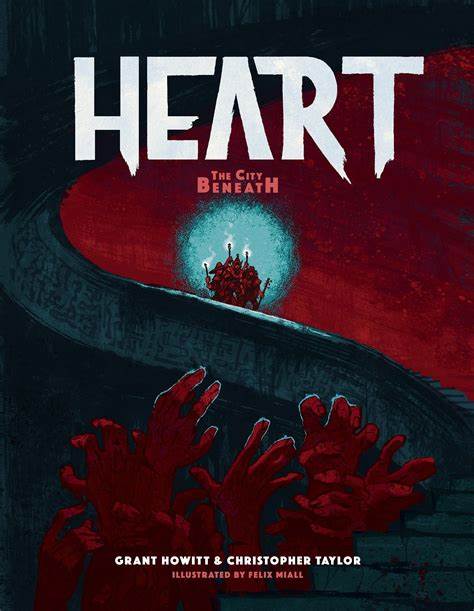
So, I’ve been left with an excess of prepped games, and no-where to run them – so I’ll be putting them out on here. First up, a game that was planned for Owlbear, for Roward Rook & Decard‘s Heart: The City Beneath. In Heart, your desperate treasure-hunters delve into the living, beating dungeon beneath the occupied city of Spire to find eldritch treasures – and themselves.

Yes, the art is all this good – as you’d expect from RRD

Full disclosure – I haven’t actually run this, although I’m sure it will get an outing soon. If you’re Heart-curious, this might give you an idea what to expect in the game. If you’re a Patron, feel free to message (on here or twitter) and I’ll send you the pregens I did for it as well, giving you a fully ready-to-run game. Also, this is based on an adventure seed in the actual book – there are loads of them in there – but fleshed-out to be runnable for a one-shot. I’ve got more to say about prep for loose-improv games like Heart and Spire, but that’s another blog post.

Into the Underhang

A Heart: The City Beneath One-Shot

Into the Underhang is an independent production by Burn After Running and is not affiliated with Rowan, Rook and Decard. It is published under the RR&D Community License. Heart is copyright Rowan, Rook and Decard. You can find out more and support these games at rowanrookanddecard.com.

Scene 1 – Derelictus

We begin in the city between the cities, a sprawling, semi-underground mirror of Spire, Derelictus. From Platform 1, where all manner of equipment can be sourced, to Platform 2, where we find ourselves now – with Ostrer, a mad researcher, is cutting you a deal.

Hang Station was built as a tourist trap; suspended over a vast subterranean sea, so that aelfir could see the captured, sleeping monster beneath, captured from the far north. Hang Station is on Tier 2 of Heart – so will need at least a couple of delves, stopping off at a waypoint on the way. He wants to get a sample of the beast’s blood – and he needs your help.

There appear to be two notable routes towards Hang Station (a Technology) – through the singing, open railways of the Vermissian Railways – maybe hoping to catch a train some of the way, or a darker, lower way, through Sump Station (a Warren) – the flooded remains of an old station now submerged. Darker, but less likely to attract attention

In Derelictus, each PC has a chance to prepare – they can try and get hold of a D6 piece of equipment for the journey, or research another route – perhaps one going through a more favourable area for them. After a skill roll each, and potential stress (always D4 at this stage, and usually to Supplies or Fortune), they must set off

Scene 2 – Delve to Tier 1

This is a delve they will take to either Sump Station, Hang Station, or another location

Route: Between Derelictus and Sump Station

Tier: 1

Domains: Technology, Warren

Stress: D4

Resistance: 10

Description: A tramp through foot-deep, the knee-deep, flooded tunnels, in fading light and with labyrinthine corridors. Occasional relics of machinery or rails puncture through the floor – and occasionally pumps still churn. It smells bad initially, then turns to a warm, cleaner smell.

Events: Jonjak and his gang of gutterkin will track the PCs from Derelictus, and attempt to jump them to find out what they are doing; a sudden overflow means they have to wade chest-deep or lower; strange fluorescent fish swim under the water and circle the PCs; a warehouse of fishmongery where Mikkel the Fish waits to serve them

Connection: Capture the glowing fish for Mikkel and he will teach you the secrets of the eddies

Route: Between Derelictus and Hang Station

Tier: 1

Domains: Technology, Occult

Stress: D4

Resistance: 10

Description: A walk along high, ruined walkways alongside the tracks which have collapsed in places; crystals line the path eventually; the smell of incense and sulphur. Damaged rope-ways line each pathway

Events: Jonjak and his gang of gutterkin will track the PCs from Derelictus, and attempt to jump them to find out what they are doing; a clattering of a passing train requires jumping out of the way – or onto it; the singing of crystals in the ceiling above as one falls and shatters

Connection: Repair the rope-ways linking to the paths

Scene 3: The Mid-Point

At this point, they have arrived, either in Sump Station or Hang Station, and have a chance for respite. Ostrer insists that they need to purchase some supplies – ropes and pulleys – but at this point you encounter the rival delvers, Protector Baram and his men.

They accost the players as they explore the haven, asking them their business and mocking them. They know that the beast has laid eggs, and can see that Ostrer wants one as well. Depending on the PC’s approach, they may suggest an alliance, or try and sabotage their equipment. Either way, he will wish them luck.

As with Scene 1, PCs may make 1 test to try and recover equipment or preparations for the further delve.

Scene 4: Into the Underhang

From their location, they need to venture deeper into the Heart, to Hang Station and the underground lake.

Route: Between Tier 1 and Hang Station

Tier: 2

Domains: Cursed, Technology

Stress: D6

Resistance: 10

Description: Trekking through walkways suspended over still lakes, or raging torrents – creaking at the wind that blows through them. The smell of tar, and then of some big, fishy beast. The crackling of magical energy from long-decayed dampers and siphons. The echoes of fellow hunters, or ghosts, around them.

Events: A crackle of energy covers the ground in front with a web of occult power that must be bypassed; the walkway shatters and falls, meaning they must form a new route; Jonjak, still tracking, ambushes them on a walkway; Baram makes his move as they approach; a ghostly engineer seeks aid in repairing conduits and walkways

Connection: Repairing the conduits will allow them to lay the ghost to rest.

Scene 5: The Harvest

They emerge onto a vast creaking observation platform, a sparkling lake below them swaying gently. A huge whale-beast has broken the surface of the water below, and a light snore echoes around the cavern – but the eggs are on the other side.

They must

  • Somehow get down to the lake. There are maintenance rowboats and rafts available, ropes and pulleys, that could be fashioned
  • Recover the eggs from the egg sac beyond the creature – they could dive in, or trick it into rolling over
  • Avoid the attentions of the rival gangs, who will attempt to ambush them

At their moment of triumph, a roar echoes through the lake – the beast has awoken, and they must escape

NPCs

Ostrer the Mad Researcher

Motivation: Find and recover the eggs of the Hang Station beast

Sensory Details: Thick, clouded goggles with no light; the smell of dusty books mixed with oil; a dirty, flapping lab coat

At the Table: Close eyes when speaking

Jonjak the Tunnel Brigand

Motivation: Find a score big enough to retire on

Sensory Details: Filthy overalls and cloak; scarred face and hands; odd limp

At the Table: Speaks with a pirate accent (Arr!)

Difficulty: 0

Resistance: 10

Protection: 1

Resources: Stolen heirlooms (D8, Taboo), Poorly-written maps (D6 Delve)

Jonjak’s Gutterkin

Motivation: Gain freedom from Jonjak, or at least more pleasant employment with him

Sensory Details: A mob of 8 or 9 gullboys and heron-girls; squawking and clambouring over one another; rusted, broken knives with alarming speed

At the Table: Look this way and that while skwarking in semi-speech

Resistance: 8

Protection: 0

Stress: Knives D6, Unreliable

Mikkel the Fish

Motivation: Serve his narcotic fishes to the discerning

Sensory Details: A scale-clad shaved gnoll with rings everywhere; stares oddly at everything; the smell of oil and tar

At the Table: Keep mouth open when not speaking

Protector Baram, Drow Rival Delver

Motivation: Be the first to recover a beast-egg for his masters

Sensory Details: The smell of cheap perfume, a shiny well-maintained leather coat, the clip of heels on ground; accompanied by a pair of cackling gnolls, Forrad and Vorrad

At the Table: Alan Rickman-esque villainy

Difficulty: Risky

Resistance: 10

Protection: 1

Stress: Whip D8 Tiring, Pistol D6 Ranged One-Shot

The Hang Station Beast

Motivation: To eat, sleep and breed

Sensory Details: A thick smell of fur, fish and sweat; blue-grey skin covered in slick water; a light, echoey snore

At the Table: Describe the ground shifting

Difficulty: Dangerous

Resistance: 10

Protection: 2

Stress: Roll over D6

13th Age One-Shots, Revisited

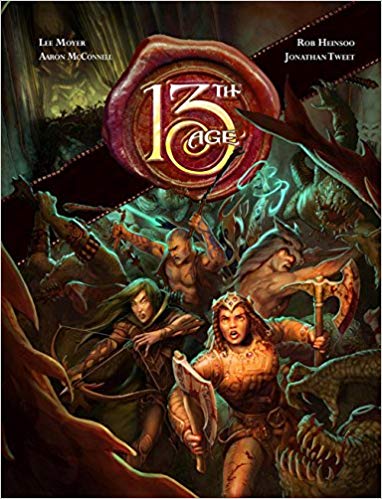
It’s been a few years since I first wrote about 13th Age one-shots, and it’s a long time since I’ve run a system that used to be one of my trademarks. But, as I’ve been prepping Swords Against Owlbears for All Rolled Up’s Free RPG Day event, I’ve got more to say about how some specific aspects of 13A play can be made to work in one-shots.

While you’re reading this, I should tell you about my Patreon. Patrons get access to content 7 days before they hit this site, the chance to request articles or content, and the chance to play in one-shot games, for a very reasonable backer level of £2 per month. If you like what you read, want to support the blog, and have the funds for it, please consider supporting here. Telling people about the blog, and sharing links/retweeting is much appreciated also – thanks!

So, here goes:

One-Shot Unique Things

In 13th Age, each PC has a One Unique Thing (OUT) that sets them out from the rest of the populace. It’s the start of an expectation that players will help to define the world and setting. For one-shots, rather than being campaign-level (“I’m the last of the dwarves” “I’m half-dragon half-halfling”) these can just be specific to the session planned… guide the players when they’ve picked pregens to choose, for instance, why they personally have to track down the orc chieftain, or what the Priestess’s minions stole from them. 

I’ve previously been ambivalent about making players pick OUTs at the table, since sometimes they can just clam up, so have offered ready-made ones – but this links them to the play as well and helps to provide motivation for whatever gonzo plot you’ve got up your sleeve.

Dice Rolling Apps Are Your Friend

13th Age PCs are generally rolling their level number of damage dice – or more – each time they hit. Additional powers often add other dice to the mix, too – so unless you’re playing at 1st or 2nd level, encourage your players to use dice roller apps to do the arithmetic for them. Some players, of course, (the ones really quick with mental arithmetic) will want to add them up in their head – let them, but only if they really are quick enough for nobody else to get impatient. They will be the ones that thank you for it – it’s hard to resist adding up your neighbour’s totals for them if they’re struggling. 

Dice rollers unlock high level play for one-shots, which is (a) awesome, and (b) not all that complicated for players. A few more options emerge, but your barbarian and ranger characters are still going to be really accessible for players who don’t want to balance loads of options.

Pick Three Icons Each

In 13th Age, players have a set of Icon relationships that are rolled at the start of each session and interact with the play, bringing powerful setting NPCs into the game. 

Icon relationships in some of the published one-shots are left to be picked at the table. In my pregens, I’ve usually pre-populated them. Neither of these are really necessary. Just pick three Icons for each pregen that seem most likely for them – have the players do their icon rolls (either d6 for each of them, or just d3 for which Icon benefit they have if you want everyone to definitely have one – sometimes, I make sure they’ve all got one if somebody rolls none, sometimes I don’t.

Give them the icons on little cards to remind them to use them, too. And I’m fairly relaxed about them giving a system-based bonus in one-shots – they can

  • Allow an additional use of a Daily power
  • Punch up an auto-recovery if they drop to 0hp
  • Grant a cool magic item of the appropriate tier (+1 for Adventurer, +2 Champion, +3 Epic) – let the player design it and give it a quirk
  • Grant an extra turn in combat once

And so on. The best uses of Icon relationships are often in skill challenges or montages, but these give everyone a chance to own them and get some benefit from them, and the Icons interfering grounds the game in the world.

Campaign Losses – Limbs, Friends, or Items

Campaign Losses, generally, happen instead of Total Party Kills in 13th Age. The party can choose to retreat, lick its wounds, and try another way. In one-shots, this doesn’t make sense – and can mess with your pacing – so make them lose something important to them instead, and progress the story around the scene again. This might mean they still achieve the combat scene’s goal – so make sure what they lose is really big! You could even have an NPC captured, to set up a sequel one-shot! This comes directly from Swords Against Owlbears, where the titular battle in particular has some very nasty owlbear cub mooks (and a randomly-appearing owlbear mother) that could easily overwhelm players.

So, some more 13th Age tips – and a resolution from me to get 13A back on my circuit of convention games!